From Tuscan hill towns to Dolomite passes, follow routes we've walked and ridden ourselves, at your own pace, on your own dates.
Walking & cycling
Couples & friends
6 to 8 days
Easy to challenging
April to October
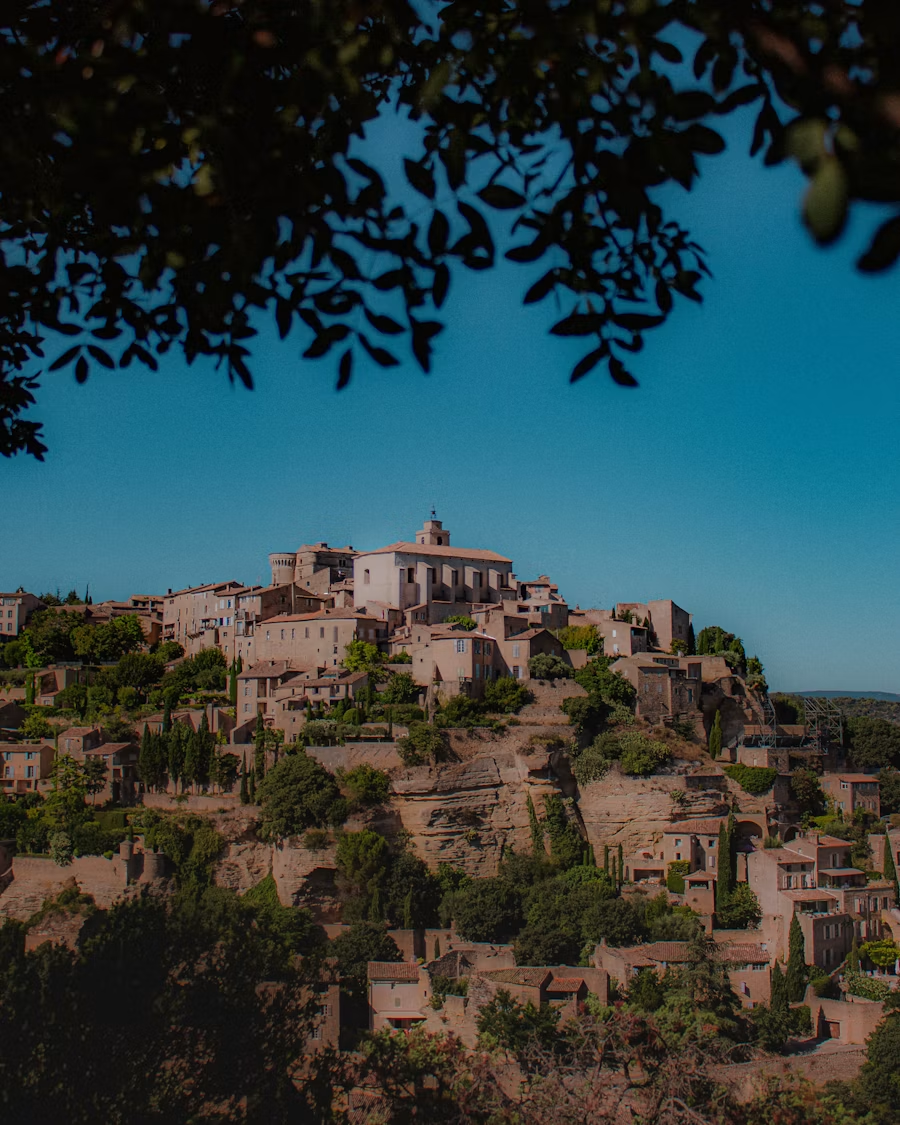
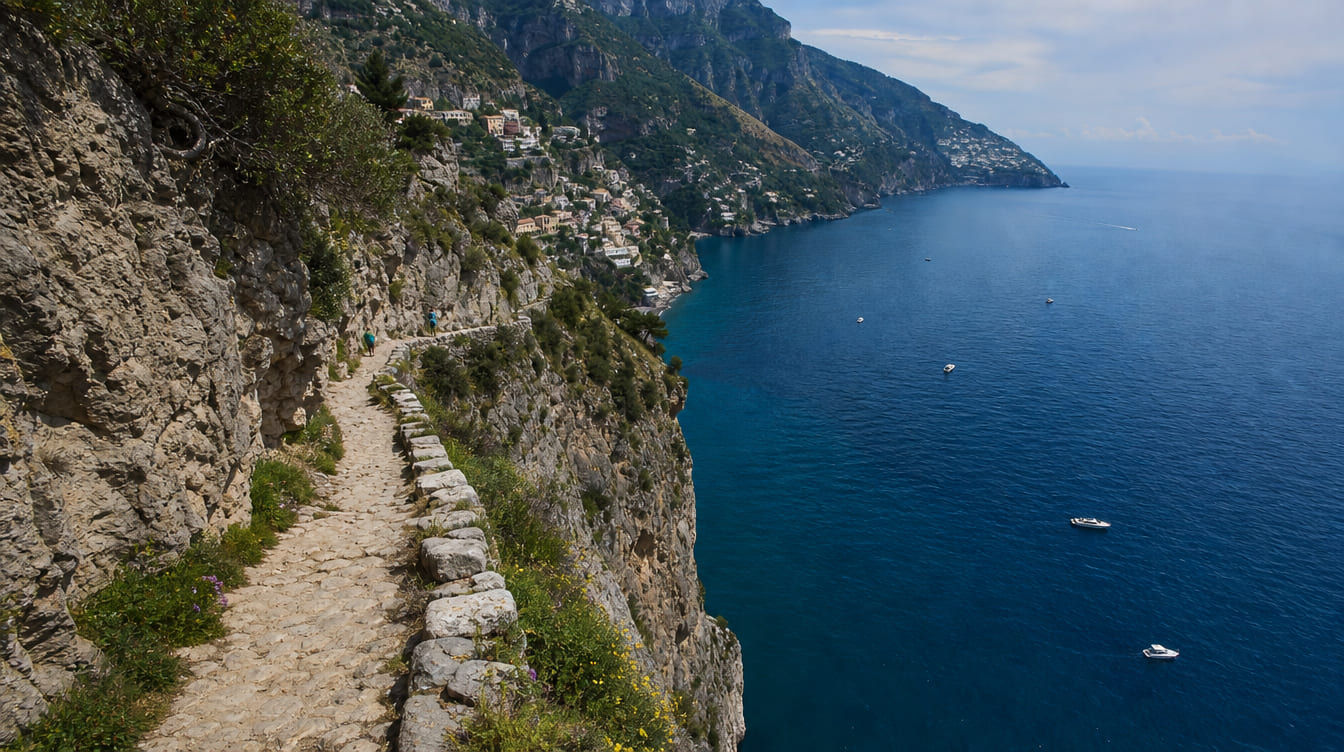
Italy rewards travellers who slow down more than almost anywhere in Europe. In Tuscany, quiet lanes link hill towns crowned with cypress trees and stone farmhouses. Along the Amalfi Coast, cliff paths thread between lemon groves and villages stacked above the sea. In the Dolomites, high alpine passes give way to meadows and mountain huts, while Puglia’s flat, sun-baked backroads run between whitewashed trulli and centuries-old olive groves.
What ties it together is trail infrastructure that makes independent, multi-day routes genuinely practical, village-to-village accommodation in places chosen for character rather than convenience, and a landscape that changes completely from one region to the next. If this is your first self-guided holiday, start with Puglia by Bike or the Tuscany Hill Towns Walk, both graded easy to moderate, with plenty of time to actually enjoy where you’ve stopped.
Most routes stay easy to moderate: hill-town paths in Tuscany, coastal trails along the Amalfi Coast. The Dolomites are the one genuine exception, real elevation, longer days, and the most demanding route on our Italy list.
Puglia’s flat backroads between whitewashed trulli and the coast offer some of the easiest multi-day cycling in Europe. Lake Garda adds lakeside riding beneath the Dolomite foothills. It’s a natural starting point for a first self-guided cycling holiday.
Move between cypress-lined ridges and stone-walled hill towns, with a Chianti tasting built into most afternoons.
Flat, sun-baked backroads between olive groves and whitewashed trulli, ending most days near the coast.
Follow cliff paths between lemon groves and villages stacked above the Tyrrhenian Sea, including the Path of the Gods.
Fly into Pisa or Florence for Tuscany, Naples for the Amalfi Coast, Bari for Puglia, or Venice and Verona for the Dolomites.
Regional trains connect most start and end points, useful for combining two routes into one longer trip.
Accommodation, luggage transfers, route notes and a local contact, on every trip, as standard.
Travel insurance is required. Route notes are in English throughout; a few Italian phrases help but aren't necessary.
Independent travel, without the planning burden.
See how Waybound works