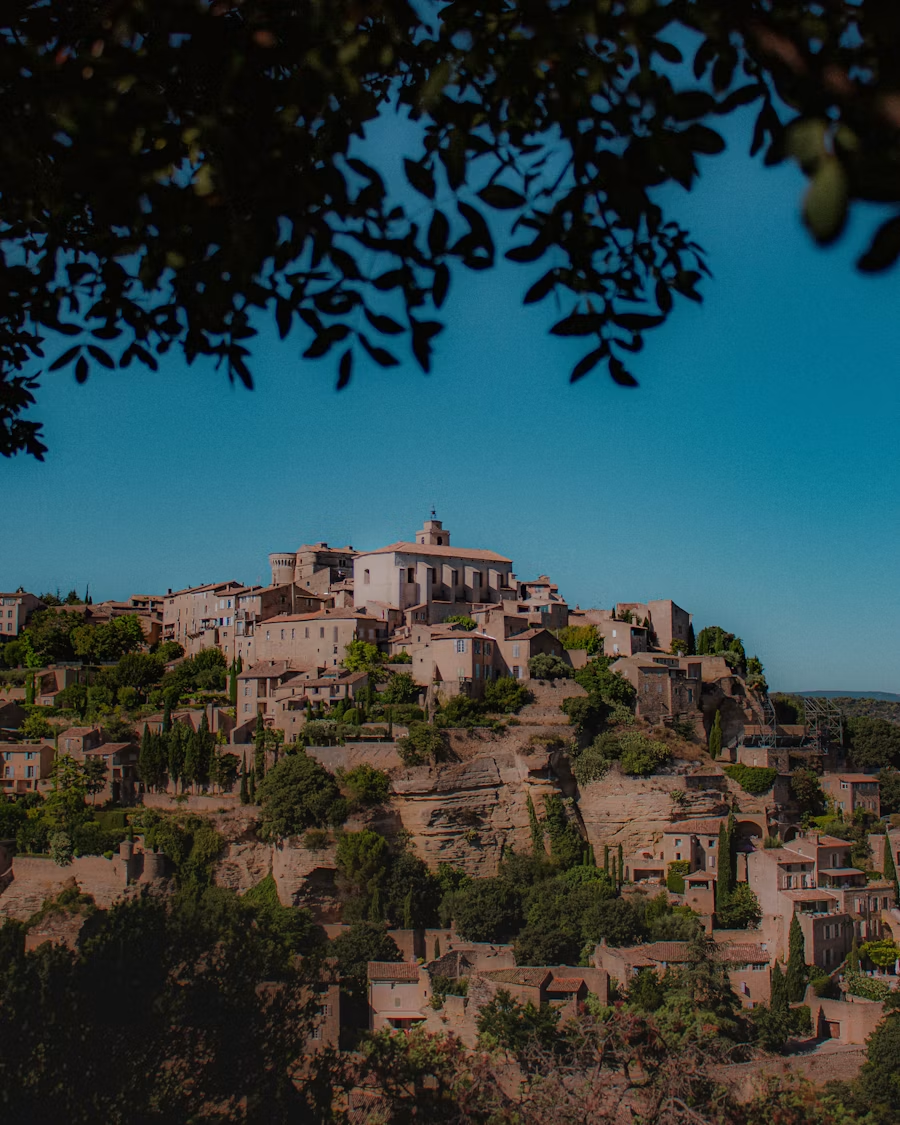
From Camino pilgrim trails to Andalusia's whitewashed hill villages, follow routes we've walked and ridden ourselves, at your own pace, on your own dates.
Walking & cycling
Couples & friends
6 to 8 days
Easy to moderate
April to October
Spain’s most famous walk is also its best-known export: the Camino de Santiago, whose pilgrim trails cross northern Spain toward Santiago de Compostela through Galician farmland, Basque hills and centuries of history underfoot. Further south, Andalusia’s pueblos blancos, whitewashed villages scattered across olive-covered hillsides, offer a completely different rhythm of walking, quieter and warmer, between one hill town and the next.
What ties it together is infrastructure that makes independent travel genuinely practical: way-marked trails, quiet backroads, and village-to-village accommodation in places chosen for character. If this is your first self-guided holiday, start with La Rioja by Bike, graded easy, with gentle vineyard terrain and cellar-door tastings rarely more than an hour’s ride away.
The Camino’s final week from Sarria to Santiago is the most popular introduction, through Galician farmland and eucalyptus forest. Andalusia’s Pueblos Blancos offer shorter, warmer days between whitewashed villages. Most routes are graded easy to moderate.
La Rioja’s gently rolling backroads between vineyards offer some of the easiest multi-day cycling in Spain, with a cellar-door tasting rarely more than an hour’s ride away. It’s a natural starting point for a first self-guided cycling holiday.
Walk the final week of the Camino Francés through Galician farmland and eucalyptus forest, ending at the cathedral in Santiago.
Gently rolling backroads between vineyards, with a cellar-door tasting rarely more than an hour's ride away.
Move between whitewashed hill villages set against olive groves, with a long lunch built into most afternoons.
Fly into Santiago de Compostela for the Camino, Seville or Malaga for Andalusia, or Bilbao for La Rioja.
Regional trains connect most start and end points, useful for combining two routes into one longer trip.
Accommodation, luggage transfers, route notes and a local contact, on every trip, as standard.
Travel insurance is required. Route notes are in English throughout; a few Spanish phrases help but aren't necessary.
Independent travel, without the planning burden.
See how Waybound works